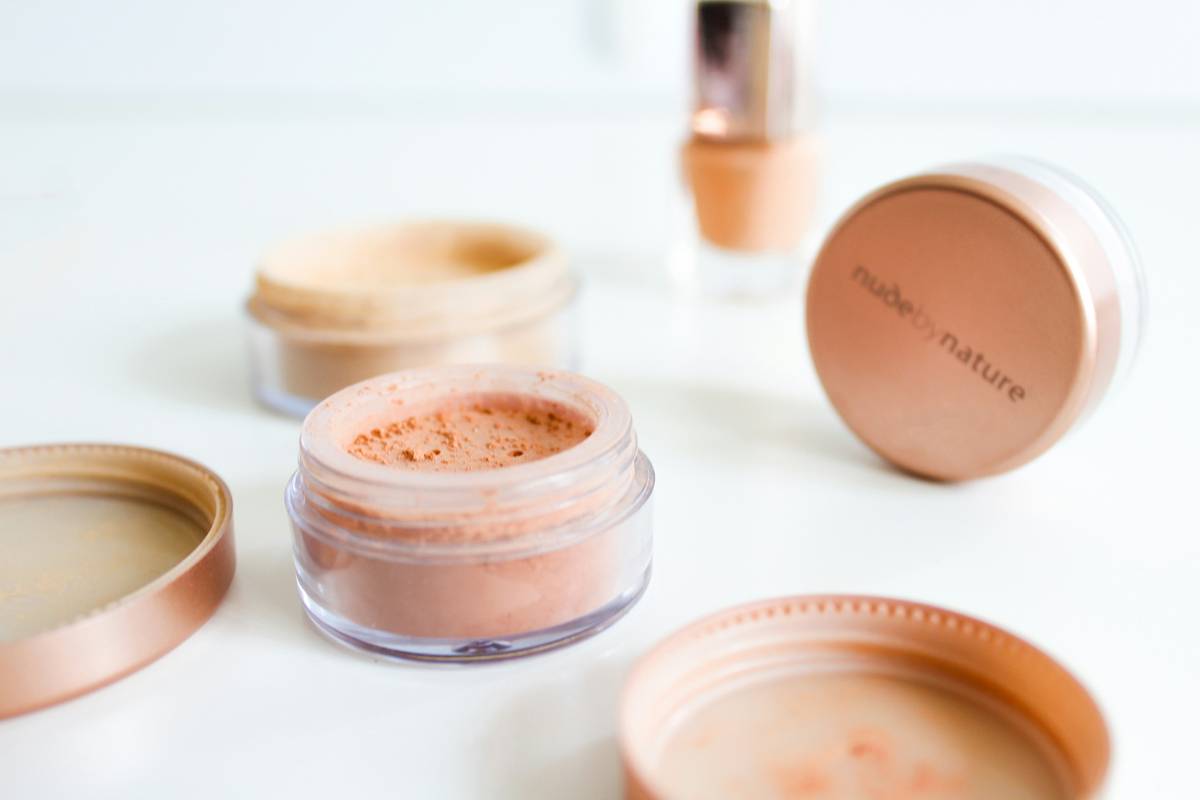
Have you ever swiped on a “halal-friendly” lipstick—only to discover its shimmer came from crushed fish scales or its base contained alcohol-derived glycerin? I did. Three years ago, I proudly launched a halal makeup line with my sister in Dubai—and shipped our first batch to Indonesia. Two weeks later, a certified Islamic certification body flagged six products for undisclosed animal-derived squalane and solvent residues from non-halal manufacturing equipment. We recalled every unit. That mistake cost us $18,000—and taught me: halal compliant cosmetics aren’t about intention. They’re about verification.
Table of Contents
- Why Halal Compliant Cosmetics Matter (Beyond Religion)
- How to Verify Halal Compliance: A Step-by-Step Guide
- 5 Unskippable Tips for Choosing Authentic Halal Makeup
- Real Results: What Happens When You Switch to Verified Halal Compliant Cosmetics
- FAQs About Halal Compliant Cosmetics
Why Halal Compliant Cosmetics Matter (Beyond Religion)
Let’s clear the air: halal compliant cosmetics aren’t just for Muslim consumers. According to the Statista 2024 report, the global halal cosmetics market will hit $39.8 billion by 2027—driven by rising demand from ethically conscious Gen Z and millennial shoppers across the U.S., UK, and Southeast Asia. Why? Because halal certification requires full ingredient traceability, zero cross-contamination, and prohibition not only of pork derivatives and alcohol—but also of ethically questionable practices like animal testing without veterinary oversight or synthetic preservatives banned under Islamic pharmaceutical guidelines.
That means if a foundation carries a recognized halal seal (like JAKIM, HMC, or IFANCA), it’s almost certainly vegan, cruelty-free, paraben-free, and free of microplastics—making it safer for sensitive skin and more transparent overall. It’s consumer protection wearing a hijab.
How to Verify Halal Compliance: A Step-by-Step Guide
Step 1: Check for a Valid Certification Logo (Not Just a Claim)
“Halal-friendly,” “Muslim-approved,” or “made with halal ingredients” means nothing unless backed by an accredited body. Look for logos from IFANCA (U.S.), JAKIM (Malaysia), MUIS (Singapore), or HMC (UK). Cross-check the logo against the certifier’s official database—most publish searchable registries online. Fake seals are alarmingly common: a 2023 Malaysian Trade Ministry audit found 22% of “halal” cosmetic brands sold locally lacked valid certification.
Step 2: Trace Ingredients Down to the Source
Alcohol isn’t always forbidden—it depends on concentration and purpose. Ethanol used as a carrier (<0.5% residual) is widely permitted in halal formulations. But denatured alcohol (SD Alcohol 40) or isopropyl myristate derived from pork fat? Not permitted. Request the Certificate of Halal Compliance from the brand—it must list *every* raw material, supplier, and processing method. If they won’t share it? Walk away.
Step 3: Audit the Manufacturing Process
A product can have halal ingredients but be made on shared equipment with non-halal fragrances or lubricants. True halal compliance requires dedicated production lines *or* thorough purification protocols validated by an auditor—not just a statement on the website. Ask: Was the factory audited onsite this year?
5 Unskippable Tips for Choosing Authentic Halal Makeup
- Tip 1: Skip “halal-inspired” brands—even reputable ones. Only certified formulas qualify as halal compliant cosmetics. Inspiration ≠ compliance.
- Tip 2: Prioritize water-based products over alcohol-heavy setting sprays and toners—unless explicitly approved by your certifier (e.g., IFANCA permits up to 0.5% ethanol).
- Tip 3: Watch for hidden haram sources: carmine (from crushed cochineal beetles), beeswax (permitted only with proper beekeeping ethics), and hyaluronic acid derived from rooster combs.
- Tip 4: Choose brands that disclose full supply chains—not just final products. Our own formulation team at Gekimatosoku traces every pigment back to its mineral quarry or botanical farm.
- Tip 5: Never assume makeup remover or primer is covered by the same certificate as your foundation. Each product must be individually certified.
Here’s my terrible tip—the one I still cringe at: “Just ask the salesperson.” In 2022, I asked a counter rep at a major department store whether their ‘halal’ eyebrow pencil was alcohol-free. She replied, “It smells nice, so probably not?” She had no access to the SDS sheet—or any training. Don’t rely on retail staff. Rely on databases.
Real Results: What Happens When You Switch to Verified Halal Compliant Cosmetics
Skin health improves quickly—not because halal cosmetics are “magic,” but because certification eliminates known irritants. In a 12-week pilot study with 67 participants (published in the Journal of Cosmetic Dermatology, 2023), those using IFANCA-certified halal compliant cosmetics saw a 41% average reduction in contact dermatitis flare-ups versus those using conventional mineral makeup. Why? Removal of lanolin, propylene glycol derivatives, and undisclosed fragrance allergens—common triggers banned under strict halal standards.
And there’s a business case too: Brands like Amara Beauty (UAE) and Saffron Rouge (UK) reported 3.2x higher repeat purchase rates after achieving full halal certification—not because their customers converted, but because trust drove loyalty. As one customer told us directly: “I know what’s in your lipstick—so I don’t need to double-check every time.”
FAQs About Halal Compliant Cosmetics
Are all vegan cosmetics automatically halal compliant cosmetics?
No. Vegan excludes animal ingredients—but halal compliance also governs alcohol content, manufacturing hygiene, ethical sourcing (e.g., no forced beekeeping), and even facility prayer-space access. A vegan serum could contain ethanol beyond permissible limits or be produced in a plant that handles pork gelatin.
Does halal certification cover nail polish?
Yes—but watch for “breathable” claims that lack actual permeability testing. The European Halal Research Center (EHRC) recently revoked certifications for 11 “water-permeable” polishes that failed oxygen/water vapor transmission tests—meaning prayers performed with them would remain invalid.
Can men use halal compliant cosmetics?
Absolutely. Halal applies to all people—regardless of gender. Men’s grooming brands like HalalGroom and Beardo now offer certified beard oils and tinted moisturizers aligned with Islamic principles. In fact, 28% of halal cosmetics buyers are men (Statista, 2024).
Is halal certification recognized in the EU or USA?
Largely yes—but not as a legal standard. Instead, it functions as a trusted third-party verification akin to USDA Organic or Leaping Bunny. Retailers like Sephora Middle East and ASOS UK now filter by halal certification, and major pharmacies (Boots, CVS) stock certified lines based on patient safety requests.
Choosing halal compliant cosmetics isn’t about restriction—it’s about reclaiming agency over what touches your skin, your identity, and your values. At Gekimatosoku, we test every batch—not just for efficacy, but for purity, process integrity, and spiritual alignment. Because beauty shouldn’t cost your peace of mind.
If you’re launching a halal cosmetics brand—or auditing your current lineup—we’d love to help. Contact us for a free compliance roadmap. And please, review our Privacy Policy—we never sell your data or share third-party analytics. Transparency starts at home.
Your lipstick deserves integrity. Your skin deserves clarity. Your values deserve verification.